

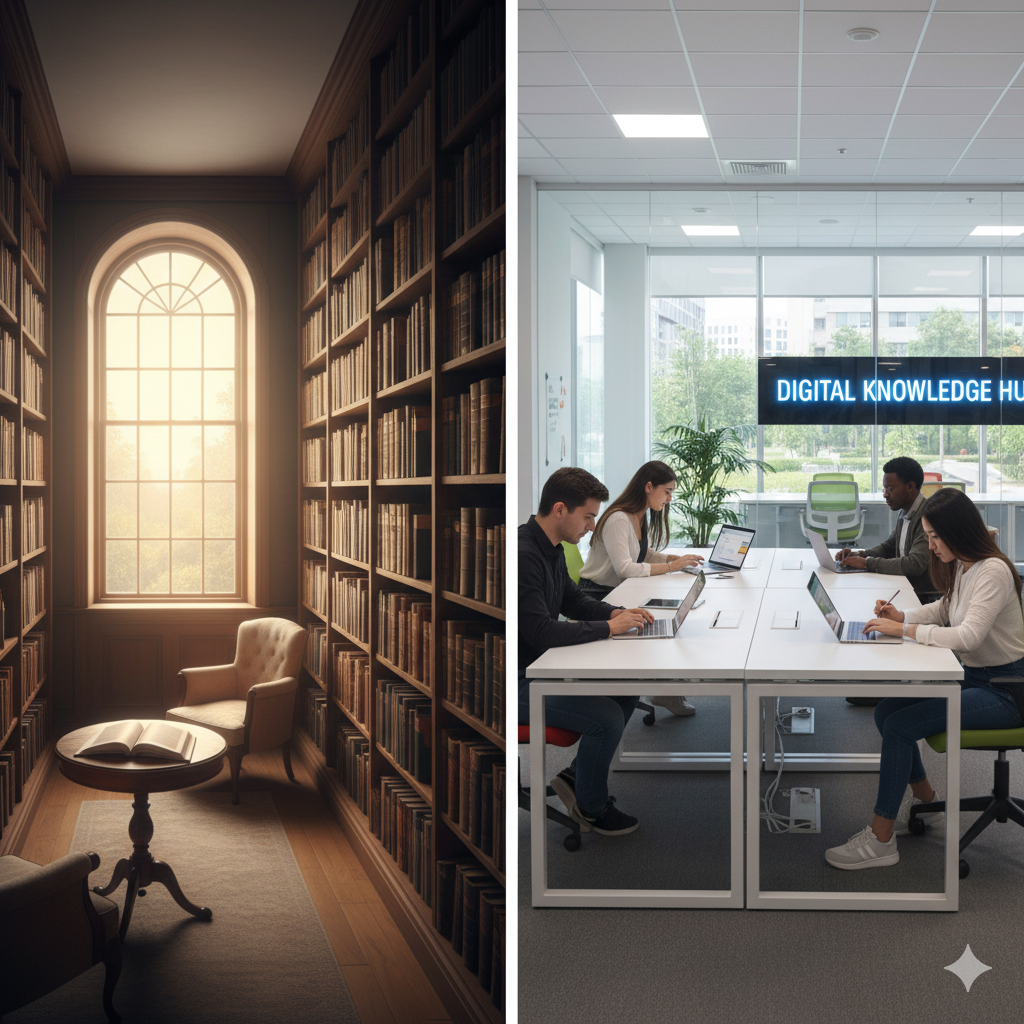
Libraries have been the epicenter of learning for decades. The old smell of books, reading nooks, and wooden shelves has influenced generations on how to gain knowledge. However, nowadays the world is changing more rapidly in terms of education than ever before- and so are libraries. Traditional vs digital library is no longer a matter of choice; it is a matter of relevance, accessibility, and future-readiness.
With the adoption of technology in schools, colleges, and institutions, the digital library is coming out as a strong option that offers solutions to most issues of the traditional libraries experienced over time. Now we will discuss the significance of this change and how sites such as Mintbook are transforming libraries in a substantial way.
Understanding the Traditional Library Model
The historical libraries have been very critical in education. They make tangible access to textbooks, journals, reference materials, and archives. Nonetheless, regardless of their significance, they are accompanied by restrictions that are getting more visible in the digital-first world.
There are problems that are common, such as:
- Poor accessibility – Libraries are in a fixed time and physical location
- Space limitation- Physical books occupy a lot of space in storage, and
- High maintenance expenses -Printing, binding, and damaged books replacement, and staff management are recurrent costs.
- Limited copies- Only a small number of students are able to use the same book simultaneously.
- Obsolete materials -Physical collections are costly and time-consuming to
Although the conventional libraries are still a valuable source of culture and knowledge, they are finding it difficult to keep up with the needs of the new generation learners who desire accessibility and adaptability.
The Rise of the Digital Library
Digital library is changing the way knowledge is stored, accessed, and shared. Learners do not need shelves and stacks to reach content; instead, they do so via devices: anytime, anywhere. This is not only a change of convenience but a democratization of education.
The major advantages of a digital library are:
- The availability of learning resources 24/7.
- Distance access by students and
- Infinite scalability and no problem with physical
- Rapid content and edition
- Searchable interactive formats that improve
Digital libraries are natural in a world where students are already using smartphones, tablets, and laptops to study.
Traditional vs Digital Library: A Practical Comparison
In the comparison between traditional vs digital library, it is more than just format.
| Aspect | Traditional Library | Digital Library |
| Accessibility | Location-bound | Anywhere, anytime |
| Resource Availability | Limited copies | Multiple users simultaneously |
| Updates | Slow and costly | Instant and seamless |
| Storage | Physical space required | Cloud-based |
| User Experience | Manual search | Smart search & filters |
This comparison is a clear indication of why even institutions are reconsidering their approach towards knowledge management.
Why the Shift Matters Today
Digitization of libraries is no longer a trend, but a necessity.
1. Changing Learning Habits
The student generation now favors fast and electronic access to information. They find interactive and multimedia content more interesting as opposed to reading textbooks.
2. Inclusive Education
Digital libraries guarantee an equal opportunity to study material to students in both distant and underserved locations.
3. Academic Continuity
Digital libraries have the capacity to ensure that people can learn continuously when there are interruptions like pandemics or natural disasters.
4. Data-Driven Insights
Physical libraries also provide a means of learning about the patterns of reading, which is not offered by digital platforms (compared to physical libraries).
5. Sustainable & Cost-Effective
Digital libraries are environmentally and economically viable because of the decreased use of paper and the decreased operational expenses.
This is where modernization of libraries is necessary for libraries that desire to remain relevant and competitive.
How Mintbook Powers Library Modernization
Mintbook is not a mere online library, but it is a one-stop shop that will transform the manner in which institutions handle and offer educational material.
Through Mintbook, schools, colleges, publishers, and libraries will be able to seamlessly migrate to an ecosystem of the future that is digitally ready.
What Mintbook Offers:
- Centralized Digital Library Management
Store reference materials, journals, notes, multimedia resources, and host texts in a single secure platform.
- Multi-Device Accessibility
Learners and teachers are able to receive information on smartphones, tablets, and desktops without any restrictions.
- Smart Search & Navigation
Search books, chapters, or keywords instantly, no longer manual searching.
- Access Control & Security
Users can be controlled, and copyrighted materials can be secured by institutions.
- Offline Reading Options
Maintains learning despite the poor internet connectivity.
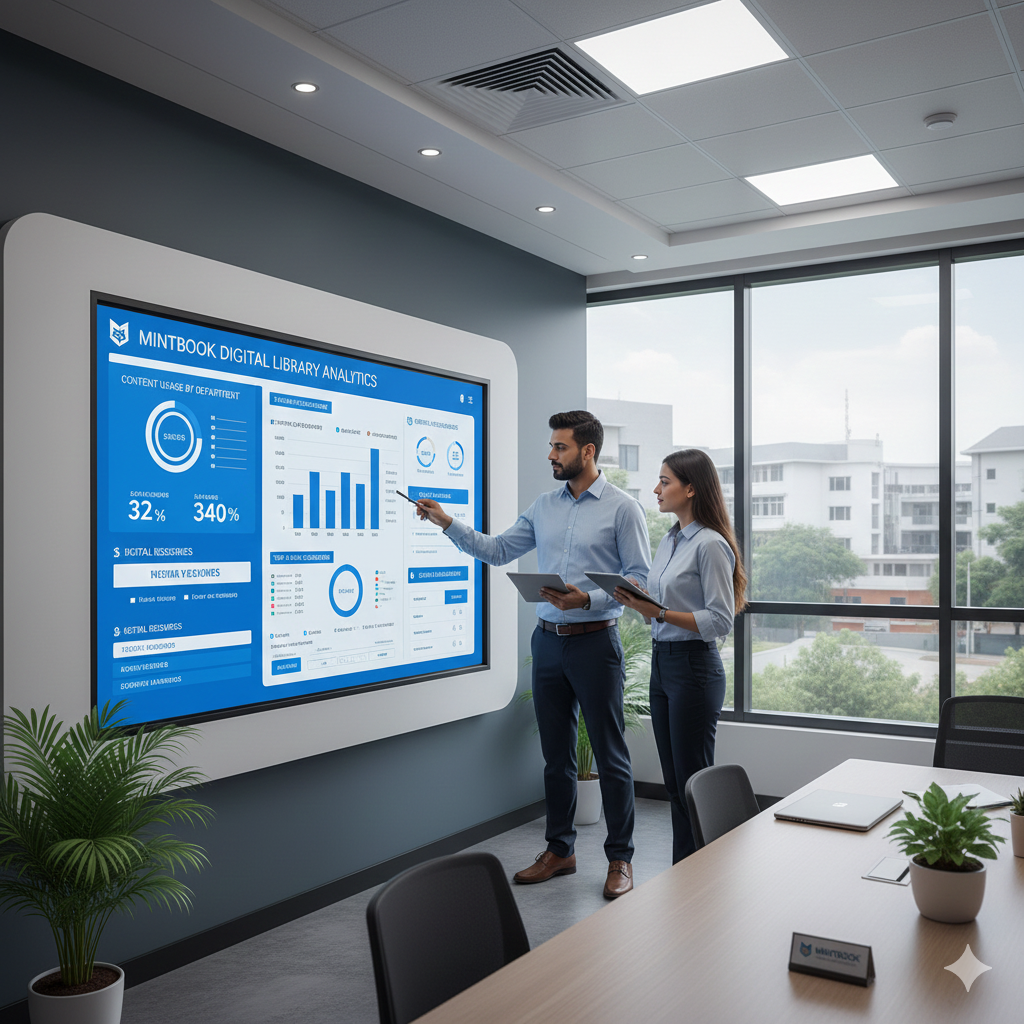
- Analytics & Reports
Monitor content use, engagements, and reading patterns to enhance academic planning.
Mintbook can be viewed as a solution to the traditional vs digital library systems, as the value of structured learning is maintained and upgraded with the application of modern technology.
The Future of education and digital Libraries.
The future of education is loose, comprehensive, and digital. The libraries should transform to allow hybrid learning approaches, distance learning, and customized learning.
A digital library is no longer a nice-to-have item; it is a foundation of academic prosperity. Those institutions investing in modernizing the libraries today are in a better position to help the learners tomorrow.
Mintbook provides institutions with the means of making this transition without having to interrupt the current working processes, but opens up new vistas of engagement and development.
Final Thoughts
It is not a question of one or the other digital and traditional library ,but rather it is about keeping up with the demands of the new generation of learners. The digital libraries are creating the future, although the traditional libraries formed the foundation of the digital libraries.
Institutions can have accessibility, efficiency, and innovativeness in learning by adopting a sound digital library platform such as Mintbook. The change is important as learning is importan,t and the way we get knowledge determines our development.
Modernization of the library is no longer an option. It can be done, scaled with Mintbook, and can be ready in the future.
